If you want to hit more submissions in your gym, this one is for you. Below are the technical tips you need to set up and finish more submissions, along with the training principles that let you practice them effectively. Let's get into it.
Great Submissions Begin With Great Setups
Opportunities are made or captured, not forced. The best setups are built on three things: mechanical control, threat, and misdirection.
Mechanical Control
You exercise mechanical control through positional advantage and leverage. It lets you physically neutralize your opponent's attacks, isolate their defenses, and move toward a submission. These setups are typically found in positions like mount, rear mount, and dominant leg entanglements.
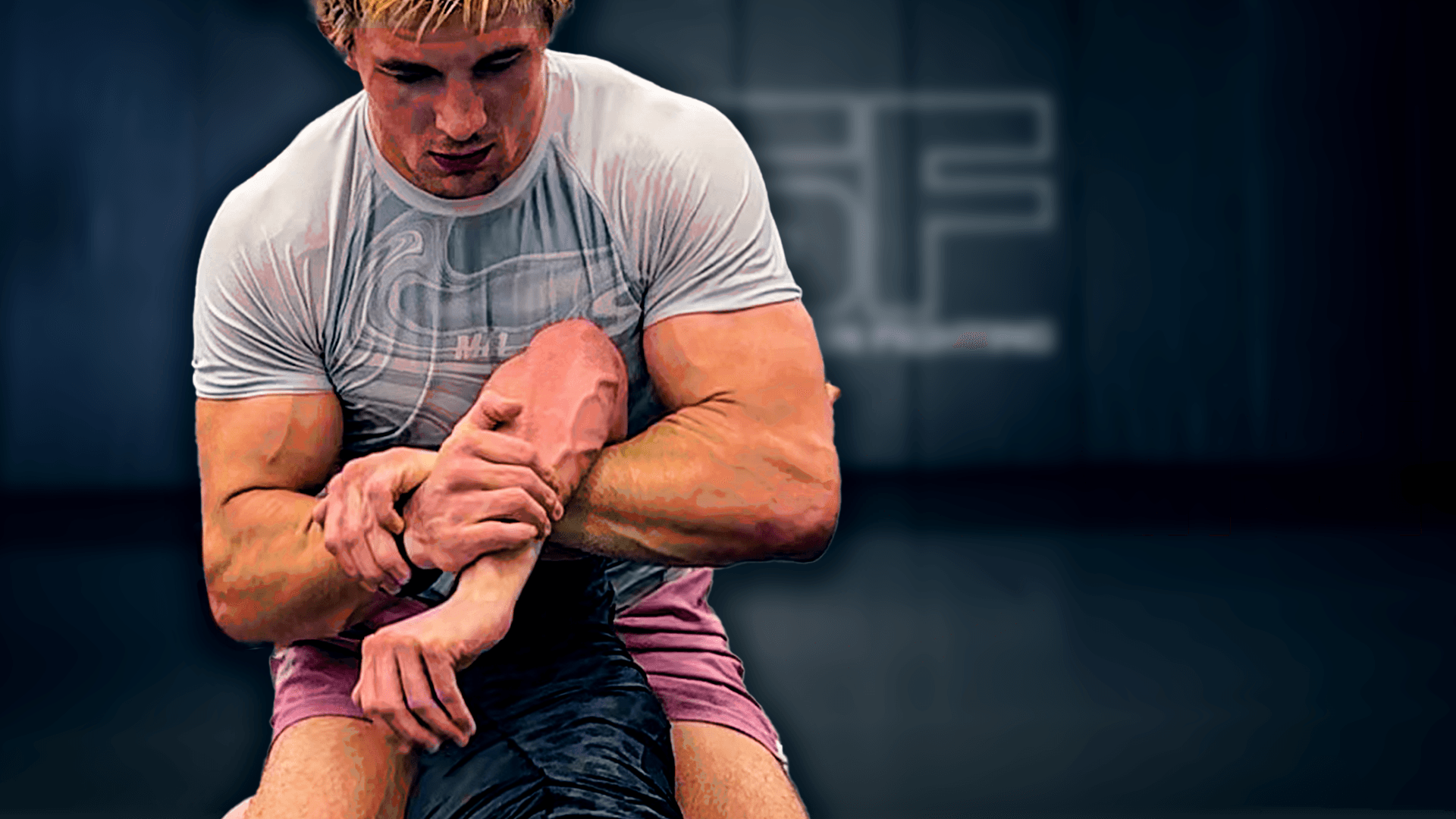
One of my favorite armbar setups leans heavily on mechanical control. Transition to S-mount, cutting a sharp angle to get perpendicular to your opponent, and hang your weight heavy on their gut as you move. The key detail comes next: separate their hands while on top, using a tricep grip to pass their secondary arm across your body. Once it's across, collapse over the top of it to isolate it from the primary arm. The primary arm is now left undefended, so pass it into your armpit and finish.
Threats
Beyond mechanical control, creating threats can force your opponent to react in a way that leaves a submission available. You might threaten a submission on one limb to get another, or use a choke to force them to overextend their defense.
A rare rear naked choke shows how this works. With good mechanical control — both hooks in and decent hand grips — use the threat of the choke to keep one of your opponent's hands occupied, which lets you trap the other arm. They can't ignore the choke, so you can force the progression right into a finish.
Misdirection
The final crucial element is misdirection. Trick your opponent into misreading your intentions and you'll have a clear path to attack.
The front headlock offers a clean example. Start there and threaten to go behind. As you look to go behind, your opponent reaches up to block you, which leaves his neck wide open. Lace your deep wrist position, lock your grip in place, and drive in to open the window to sit in. Sit through, lock your leg over the top, and crunch in to finish.
Chain Your Submissions Together
The key to finishing skilled opponents is chaining your submissions. A single submission succeeds on the basis of perfect timing and mechanics, but a combination expands your margin of error. As your opponent defends the first submission, their defense weakens in other areas, and in their desperation they may even leave massive vulnerabilities. That's the best time to reattack with another submission.
This carries a psychological advantage as well as a technical one. Keeping your opponent trapped in a defensive cycle hurts their morale, and even if your first series of attacks fails, you'll have gained the upper hand by keeping them on the run.
Some of the best chains come from pairing upper and lower body attacks. Threaten a triangle choke and your opponent may rip out and posture, leaving their legs behind for you to entangle and attack. Flip it around and start on the lower body, say with a scoop grip from the knee shield; they may cross-face and rip away, leaving their arm extended and available for a Choi bar entry.
Counter Submissions
Your opponent's defense is often weakest when they're attacking. That's when they'll be highly committed, even to their own detriment, so it's the perfect time to flip the script and go on offense. Find an element of their structure that seems left behind, isolate it while keeping good defensive discipline, and then attack aggressively.
A common scenario: you're trapped in saddle, but your opponent leaves his secondary leg extended. First, hide your heel. Then grip that secondary leg and pull your own secondary leg out of the pocket. Clear it above your hip line, close the space, and lock a triangle. That leaves him trapped in the pocket and frees you to attack; from there, lift the ankle, look for an ankle lock, fall to your side, and finish.
Now Let's Talk About Training
Drill the Mechanics, Not the Process
If you want better submissions, drill to understand the mechanics, not the process. You'll rarely get subs through some rigid set of steps. Live resistance is dynamic and requires adaptation on the go, so you'll regularly need to alter your process to fit changing circumstances, and you might even have to substitute certain mechanics to get a finish. That's only possible if you truly understand the why behind every technique.
When you drill, explore the finer details of resistance. If you're attacking a rear naked choke, what if the chin is tucked? What if the head is turned to the side? What if they're just not quite aligned for the perfect choke? Learn to adapt to these while drilling so you know what to do when it happens in a live round.
Catch and Hold
To bridge the gap between drilling and application, start with the catch and hold approach. Instead of immediately looking to finish, retain the position for as long as you can. This gives you time to check your technique and make sure it's efficient, and it forces you to deal with the immediate defense intelligently. Practicing this kind of control keeps you from relying on aggression for your finishing mechanics and builds a resilient technical foundation instead.
A simple example: enter a single leg and secure an ankle lock grip. Don't apply braking pressure, but try to stay connected to your opponent as they move. They might scoot down the mat or roll to shake you loose. Just maintain your grips and follow through.
Catch and Hop
Another excellent training mode is catch and hop. The goal is to secure a submission and then quickly move to the nearest available follow-up. This helps you identify opportunities to chain techniques together, teaches you to counter the most common defenses to your favorite subs, and develops smooth movement and transitions. Over time it eliminates hesitation in the training room and gives you the confidence to roll fluidly.
One sequence works well for practicing it. Begin in a single leg, looking for an ankle lock as soon as you get the bite. When it feels good, switch into a reap and expose the outside heel hook, lacing your grip without applying braking pressure. From there, switch to a double ankle grip, pass it across to the center, and look for saddle. Once you hit saddle, collect the secondary leg and set up an Aoki lock on that ankle. Get your grip, hold, then switch to an inside position, grab the secondary leg, feed the heel hook grip, and hold your bite. Finally, release the toes but keep the knee, grab with your rear hand, lock your arms together, and finish a lateral knee bar.
Be Creative
The last bit of advice is to be creative. If you want to develop a personal style in BJJ, you have to be. Experiment with different elements of control and different finishing mechanics. Find a slick setup off one of your favorite positions. There are no absolute rules except the laws of physics, so if you can find a way to apply leverage that's efficient and repeatable, you've just found yourself a great technique. And if your coaches are discouraging you from exploring, maybe it's time to find a gym that's more open-minded.
Keep Training
Setups, chains, and counters are what turn isolated techniques into a finishing game. Pick one idea from above, bring it to class this week, and pay attention to how it changes the openings you see.
Want to see these setups, chains, and drills in action? Watch the full breakdown on YouTube →
For more exclusive tips and techniques, join our email list →.